


Boost Your Dental Practice with Effective SEO for Dentists
In today’s digital age, having a strong online presence is crucial for any business, and dental practices are no exception.
Search Engine Optimization (SEO) is a powerful tool that can help dentists attract more patients, increase visibility, and grow their practice. In this article, we’ll explore the importance of SEO for dentists and provide actionable tips to optimize your dental website for better search engine rankings.
Why SEO Matters for Dentists
Before diving into the strategies, it’s essential to understand why SEO is vital for dentists. Here are a few key reasons:
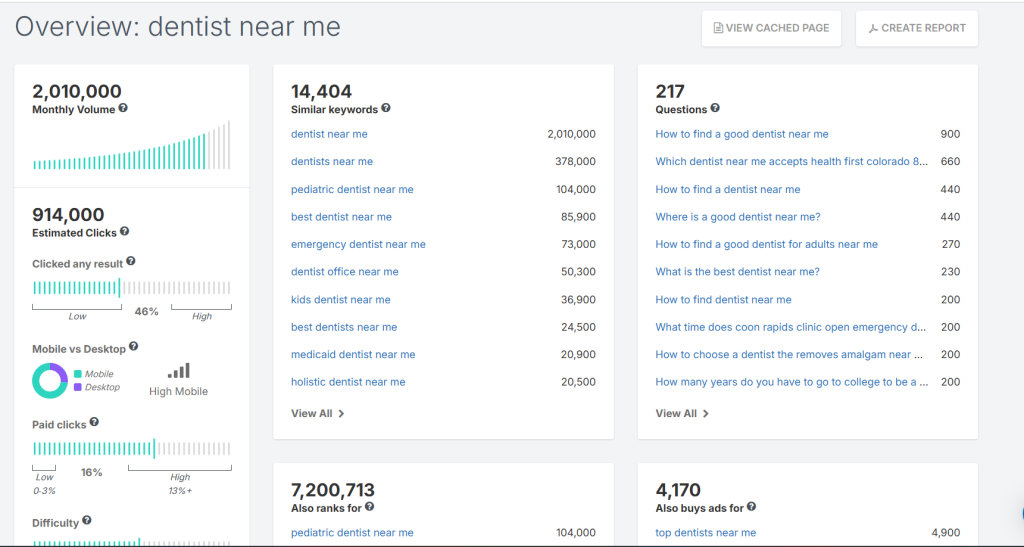
1. Increased Visibility: Most patients start their search for dental services online. By optimizing your website for search engines, you can ensure that your practice appears at the top of search results, making it easier for potential patients to find you.
2. Targeted Marketing: SEO allows you to target specific keywords and phrases that your ideal patients are searching for. This means you can attract highly relevant traffic to your website.
3. Competitive Advantage: In a competitive field like dentistry, having a well-optimized website can set you apart from other practices in your area.
4. Cost-Effective: Compared to traditional forms of advertising, SEO is a cost-effective way to promote your practice. While it requires ongoing effort, the results can be long-lasting.

Key SEO Strategies for Dentists
Now that we’ve established the importance of SEO for dentists, let’s look at some key strategies to help you optimize your website.
1. Keyword Research
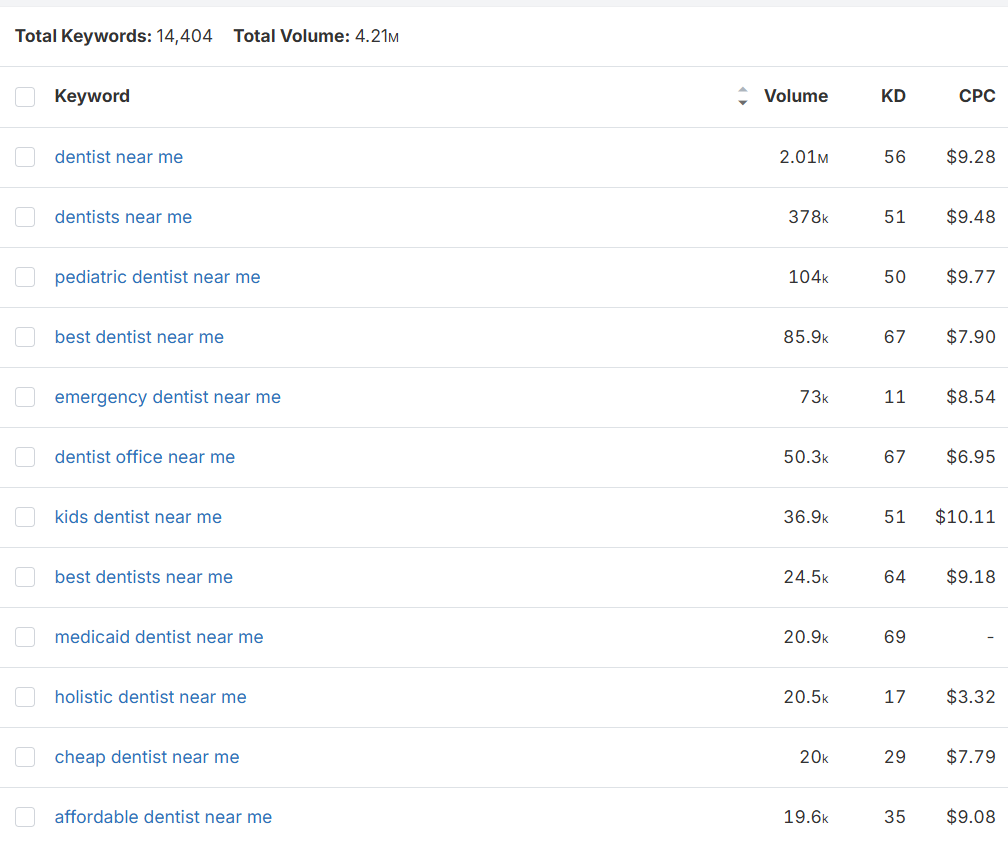
Keyword research is the foundation of any successful SEO strategy. It involves identifying the words and phrases your potential patients are using to search for dental services in your area. For example, keywords like “best dentist in [your city]” or “emergency dental care near me” could be relevant.
To conduct keyword research, you can use tools like Google Keyword Planner, Ahrefs, or SEMrush. These tools will help you identify high-search-volume keywords that are relevant to your practice.
2. On-Page SEO
On-page SEO refers to the optimization of individual web pages to rank higher in search engines. Here are some key on-page SEO elements to focus on:
- Title Tags: The title tag is the first thing search engines look at when ranking a page. Make sure your title tags are descriptive, include your target keywords, and are under 60 characters.
- Meta Descriptions: While meta descriptions don’t directly impact rankings, they do influence click-through rates. Use this space to provide a brief, compelling summary of what your page is about, and include your target keywords.
- URL Structure: Keep your URLs clean and descriptive. For example, instead of “dentist123.com/services/1234,” use “dentist123.com/emergency-dental-care.”
- Content Quality: High-quality, engaging content is crucial for SEO. Make sure your content is informative, answers the questions your patients have, and includes your target keywords naturally.
- Image Optimization: Optimize your images by using descriptive file names and alt text. This not only helps with SEO but also improves accessibility.
3. Local SEO for Dentists
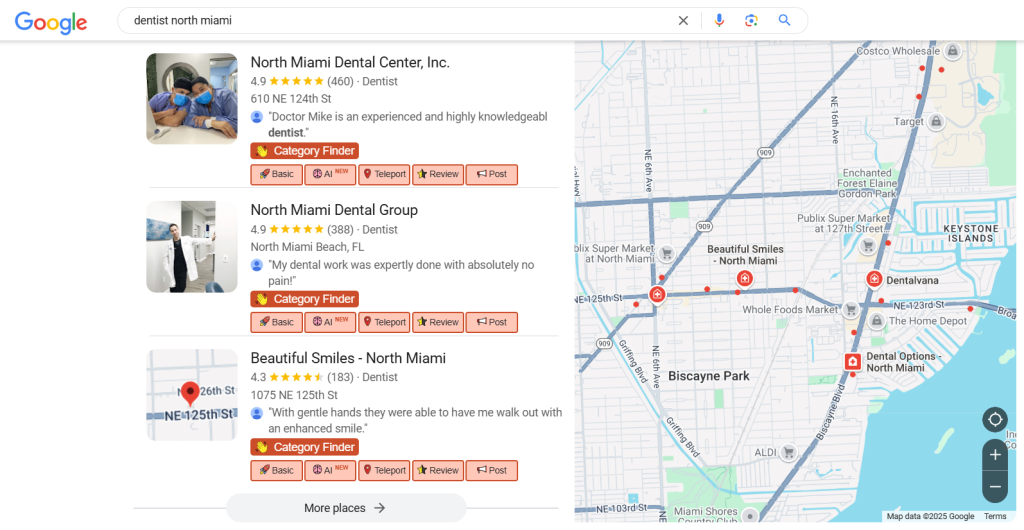
For local businesses like dental practices, local SEO is especially important. Here are some strategies to improve your local SEO:
- Google My Business: Claim and optimize your Google My Business listing. This includes providing accurate and up-to-date information about your practice, such as your address, phone number, and hours of operation. Also, encourage your patients to leave reviews on your Google My Business profile.
- Local Citations: Get your practice listed in local directories and citations. This includes sites like Yelp, Healthgrades, and other local business directories.
- Local Content: Create content that is relevant to your local community. For example, you could write blog posts about local health initiatives, or provide tips on how to maintain oral health in your specific climate.
4. Content Marketing for Dentists
Content marketing is a powerful way to attract and engage potential patients. Here are some content marketing strategies you can use:
- Blog Posts: Regularly publish blog posts that answer common questions your patients have. For example, “How to Choose the Right Toothbrush” or “The Benefits of Invisalign.”
- Patient Testimonials: Encourage your patients to leave testimonials and reviews. Not only do these build trust with potential patients, but they also provide fresh content for your website.
- Videos: Video content is becoming increasingly popular. Consider creating short videos that explain different dental procedures, or that provide oral health tips.
5. Technical SEO
Technical SEO refers to the behind-the-scenes elements of your website that impact its performance. Here are some key technical SEO elements to focus on:
- Site Speed: Slow-loading websites can drive visitors away and hurt your search engine rankings. Use tools like Google PageSpeed Insights to identify areas for improvement.
- Mobile Optimization: With more and more people using mobile devices to search for dental services, it’s crucial that your website is mobile-friendly. Test your website on different devices to ensure it looks and functions well.
- SSL Certificate: Ensure your website has an SSL certificate. This not only protects your patients’ data but also is a ranking factor.
- Broken Links: Regularly check for broken links on your website. Broken links can hurt your user experience and search engine rankings.
6. Off-Page SEO for Dentists
Off-page SEO refers to the actions taken outside of your website to impact your rankings. Here are some key off-page SEO strategies:
- Backlinks: Build high-quality backlinks from reputable websites. You can do this by guest blogging, reaching out to influencers in the dental industry, or participating in local community events.
- Social Media: While social media doesn’t directly impact rankings, it can drive traffic to your website and help you build a community around your practice.
- Online Directories: List your practice in reputable online directories like the American Dental Association (ADA) directory or your state’s dental association directory.
7. Monitor and Adjust
SEO is not a one-time task; it’s an ongoing process. Regularly monitor your website’s performance using tools like Google Analytics and Google Search Console. Pay attention to your rankings, traffic, and user behavior. Use this data to adjust your SEO strategy as needed.
SEO for dentists is a powerful tool that can help you attract more patients
SEO for dentists is a powerful tool that can help you attract more patients, increase your online visibility, and grow your practice. By conducting keyword research, optimizing your on-page elements, focusing on local SEO, creating high-quality content, and building backlinks, you can improve your search engine rankings and achieve your business goals.
Remember, SEO is a long-term strategy. It takes time to see results, but with consistent effort, you can achieve a strong online presence and attract more patients to your dental practice.
If you’re not sure where to start or need help with your SEO strategy, consider consulting with an SEO expert who specializes in SEO for dentists. With the right approach, you can take your dental practice to the next level.