


Best SEO Strategies for Restaurants
In today’s highly competitive restaurant industry, simply having great food and service isn’t enough. With the growing reliance on online searches, implementing the best SEO strategies for restaurants is essential to ensure your establishment remains at the forefront of potential customers’ minds.
Whether it’s attracting foot traffic, increasing online orders, or filling up tables, SEO is a powerful tool that can help boost your visibility in local search results.
In this comprehensive guide, we’ll explore various best SEO strategies for restaurants, ranging from optimizing your Google Business profile to crafting content specifically targeted at your local audience.
VIP Tech Consulting specializes in helping restaurants like yours navigate the complex world of SEO and increase their digital footprint. By leveraging the best SEO strategies for restaurants, your business can stand out from the competition and build a loyal customer base.
1. Optimize Your Google Business Profile
Arguably the most important aspect of best SEO strategies for restaurants, especially small businesses, is managing and optimizing your Google Business profile.
This profile is often the first interaction potential customers will have with your restaurant, appearing in local searches, Google Maps, and even directly in Google search results. Ensuring that your profile is fully optimized can make a huge difference in your restaurant’s visibility.
First, make sure that all the information on your Google Business profile is accurate and up to date. This includes:
- Business hours, including holiday hours.
- Your full address with location pinned on Google Maps.
- Phone number and website link.
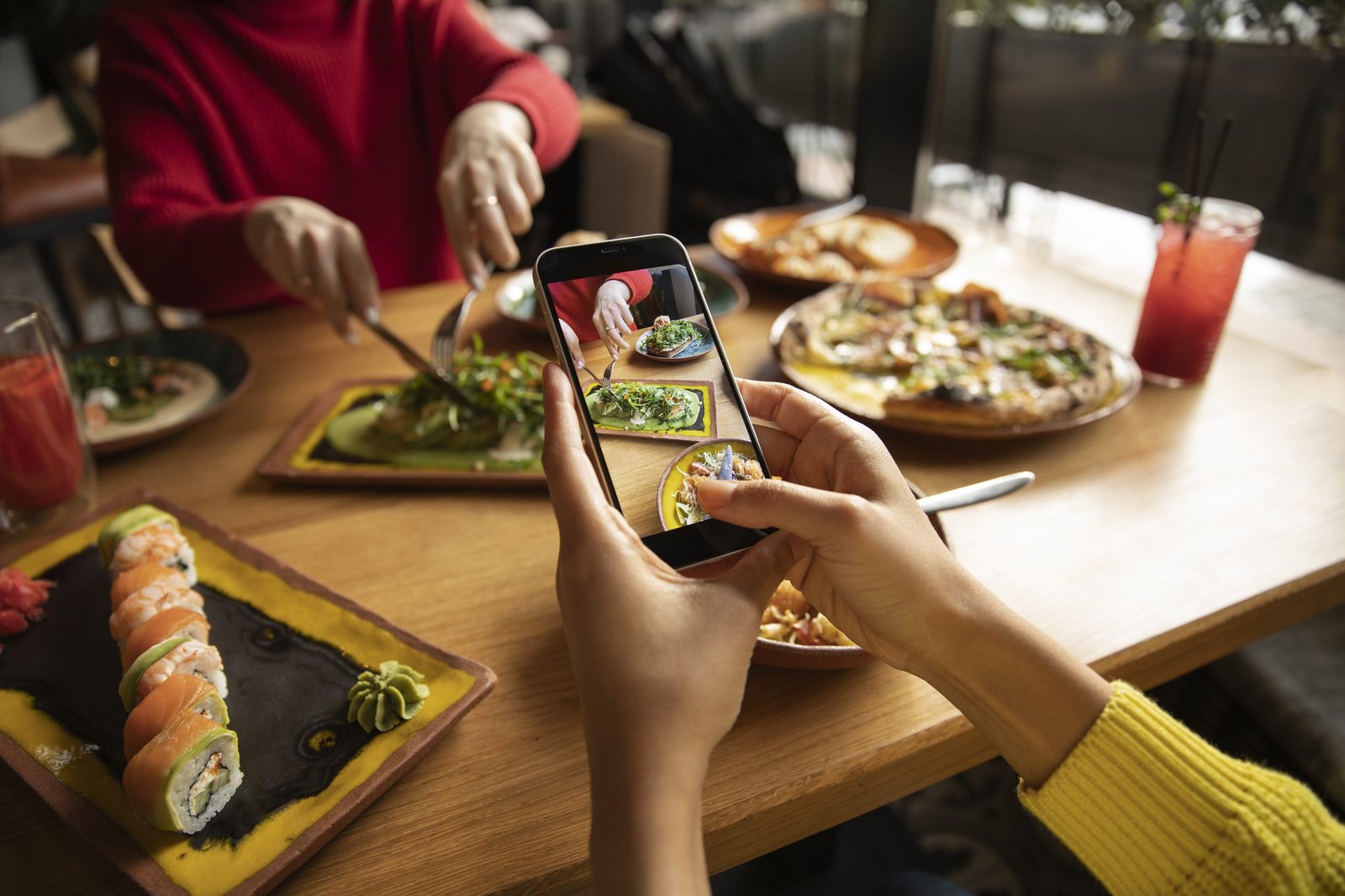
- High-quality photos of your food, restaurant interior, and any special events.
In addition, encourage satisfied customers to leave positive reviews. Responding to these reviews (both positive and negative) not only shows that you care about customer feedback but also signals to Google that you’re an engaged business owner.
This can further enhance your visibility in local searches, making it one of the best SEO strategies for restaurants.
Key Benefits of Google Business Optimization:
- Improved Local Visibility: Google prioritizes businesses with complete profiles in local search results.
- Increased Credibility: Customers trust businesses that have well-managed profiles with updated information and reviews.
- Customer Interaction: Reviews and direct communication through the Google platform create a bridge between you and your patrons.
By investing time in this often-overlooked SEO strategy, restaurants can significantly improve their chances of appearing in local searches such as “best restaurant near me” or “restaurant reservations in [city].”
These search queries are high-intent, meaning that users are more likely to convert into paying customers if they find your restaurant through these searches. Implementing the best SEO strategies for restaurants will ensure you capture this valuable traffic.
2. Leverage Local Keywords Effectively
Using local keywords is one of the best SEO strategies for restaurants to ensure you show up when potential customers are searching for dining options in your area. Local keywords focus on your specific location and incorporate common search terms that customers are likely to use.
For example, instead of targeting broad keywords like “Italian restaurant,” it’s much more effective to use phrases like “Italian restaurant in [city]” or “best Italian food near [neighborhood].”
To get the most out of your SEO strategies, place these local keywords strategically throughout your website, including in:
- Page titles and meta descriptions.
- Menu item descriptions.
- Blog posts focused on local events or food trends.
- Alt text for images (especially for food photos).
It’s also important to include variations of your local keywords to capture a broader range of search queries.
For instance, if your restaurant offers takeout, include phrases like “takeout in [city]” or “delivery from [restaurant name]” on relevant pages of your website.
These practices are all part of the best SEO strategies for restaurants when aiming to dominate local search results.
Local SEO doesn’t just stop at keywords. You should also consider how your site is structured. Ensure that each page is optimized for local searches by including your city, neighborhood, and specific landmarks near your restaurant.
By doing so, you can signal to search engines that your restaurant is a key player in the local dining scene, making this one of the best SEO strategies for restaurants to increase visibility.
3. Mobile Optimization: A Critical Factor for Success

In today’s mobile-first world, ensuring your restaurant’s website is optimized for mobile users is essential for success.
Mobile optimization has become one of the best SEO strategies for restaurants, especially because more than 60% of local searches are conducted on mobile devices, and a significant portion of these searches are related to finding restaurants. If your website isn’t mobile-friendly, you could be missing out on a large number of potential customers.
A mobile-optimized website is one that:
- Loads quickly (under 3 seconds).
- Is easy to navigate with large, clickable buttons.
- Displays correctly on various screen sizes.
- Has streamlined content without unnecessary pop-ups or complex layouts.
Google also favors mobile-friendly websites in search rankings, making mobile optimization a critical factor in your restaurant’s SEO strategy. A poorly designed mobile site can lead to high bounce rates, meaning users leave your site almost immediately due to poor usability.
This not only impacts your user experience but also sends negative signals to Google, which could lower your rankings. Following the best SEO strategies for restaurants will ensure your mobile users have a seamless experience.
4. Harness the Power of Reviews and Social Proof
Customer reviews are a vital component of any successful SEO strategy for restaurants. Not only do they provide social proof to potential customers, but they also impact your local search ranking.
Google considers the quantity, quality, and frequency of reviews when determining where to rank your restaurant in search results. Reviews are one of the best SEO strategies for restaurants when aiming to boost online visibility.
Encouraging happy customers to leave reviews can significantly improve your SEO performance. Offer incentives like discounts or free appetizers for customers who leave feedback on Google, Yelp, or TripAdvisor.
It’s equally important to respond to reviews—both positive and negative. Responding to reviews shows that you value customer feedback and are willing to address any issues, which can boost your restaurant’s credibility.
Why Reviews Matter for SEO:
- Boosts Visibility: Restaurants with more frequent and higher-rated reviews tend to rank higher in local searches.
- Enhances Trust: Consumers often trust reviews more than advertising, making it a key factor in the decision-making process.
- Influences Click-Through Rates: A restaurant with numerous positive reviews is more likely to attract clicks and visits.
Besides Google, ensure your restaurant’s presence on other review platforms like Yelp, TripAdvisor, and OpenTable. These platforms often appear in search results, and having consistent positive reviews across multiple platforms can strengthen your overall online reputation.
Prioritizing reviews is one of the best SEO strategies for restaurants to improve both trust and ranking.
5. Creating Localized Content to Build Community Authority
Creating localized content is another of the best SEO strategies for restaurants. By writing blog posts, articles, or even social media updates that are specific to your city or neighborhood, you can position your restaurant as a community hub.
Localized content can include posts about:
- Upcoming local events (food festivals, farmers’ markets, etc.).
- Special menu items tied to local holidays or traditions.
- Collaborations with nearby businesses.
- Features of local ingredients and suppliers.
Not only does this help with SEO, but it also shows that your restaurant is engaged with the local community, which can attract more patrons. Additionally, this content is more likely to be shared by local audiences, increasing your reach and potentially generating valuable backlinks to your website.
Localized content can also target niche search terms, such as “best brunch spots in [city]” or “family-friendly restaurants near [landmark].” When you create content tailored to these long-tail search queries, you increase your chances of ranking for specific, high-converting keywords. This makes localized content one of the best SEO strategies for restaurants seeking to enhance community engagement and visibility.
6. Speed Matters: How to Improve Website Loading Times
Website speed plays a crucial role in both SEO and user experience. Slow websites are detrimental to your best SEO strategies for restaurants, as users are more likely to leave before exploring the menu or making a reservation. Page speed is a known ranking factor for Google, meaning that slow websites may be penalized in search results.
To ensure your website loads quickly, focus on optimizing:
- Image sizes: Use compressed images that don’t sacrifice quality but reduce load time.
- Website code: Ensure your website’s code is clean and efficient.
- Hosting services: Invest in a reliable hosting provider that can handle traffic spikes, especially during peak times.
- Caching: Implement browser caching to store frequently loaded resources on users’ devices.
Improving your website’s speed not only enhances SEO but also increases the likelihood that visitors will stay on your site longer, explore your offerings, and ultimately make a reservation or place an order. Speed is one of the critical best SEO strategies for restaurants to ensure long-term success.
7. Internal and External Links: Building a Strong Link Structure
A solid link structure is essential for guiding both search engines and users through your website. Internal linking, as part of the best SEO strategies for restaurants, involves connecting different pages on your site to each other, which helps search engines understand the structure of your website and allows them to index pages more efficiently.
For restaurants, this might include linking your menu page to your reservations page, or linking a blog post about local events to your contact page where visitors can easily make a booking.
External linking involves linking to high-authority websites relevant to your content. For example, if you mention a local event in your blog, linking to the event’s official website can increase the credibility of your content.
These outbound links signal to search engines that your content is well-researched and trustworthy, making this one of the best SEO strategies for restaurants.
8. SEO Checklist for Restaurants: A Step-by-Step Guide
To ensure your restaurant’s SEO strategy is comprehensive, here’s a quick checklist of essential actions:
- Optimize your Google Business Profile: Ensure all information is up to date and respond to reviews regularly.
- Use Local Keywords: Target location-specific phrases and integrate them throughout your website.
- Optimize for Mobile: Ensure your website is mobile-friendly and loads quickly on all devices.
- Manage Reviews: Encourage customers to leave positive feedback and engage with all reviews.
- Create Localized Content: Write blog posts, articles, or social media updates focused on local events and trends.
- Improve Website Speed: Use compressed images and optimize your code to ensure fast loading times.
- Build a Strong Link Structure: Use internal links to connect important pages and external links to reputable sources.
By following this checklist, your restaurant can build a strong online presence, improve its visibility in local searches, and attract more customers. These steps are part of the best SEO strategies for restaurants and can make a huge difference in your business’s success.
Your Restaurant’s Path to SEO Success Starts Today
The online landscape is constantly evolving, but with the best SEO strategies for restaurants, your establishment can stay ahead of the competition.
Implementing effective SEO strategies, from optimizing your Google Business profile to creating targeted content, will ensure that your restaurant not only ranks well in search results but also connects with the right customers at the right time.
If you’re ready to take your restaurant’s online visibility to the next level, explore our dedicated page on Restaurant SEO for more insights and personalized strategies. VIP Tech Consulting is here to help you stand out and succeed in the competitive restaurant industry.
Act now and watch your restaurant climb to the top of search results, bringing in more customers and boosting your business’s success!