Overview of Google Ads Bidding Strategies
In the realm of Google Ads, selecting the appropriate bidding strategy is crucial for achieving optimal results. With over fifteen years of experience and insights from more than a thousand Google Ad accounts, it is evident that many advertisers fall into the trap of using incorrect bidding strategies. This common mistake can severely impact campaign performance, but the good news is that it can be rectified swiftly.
I’ve seen the inside of more than a thousand Google Ad accounts over the past fifteen years.
Understanding and implementing the right bidding strategy can transform your advertising outcomes, making it essential to address this issue promptly.

Common Mistakes in Google Ads Bidding
So what is this big Google Ads mistake that I’m referring to?
I see it happen all the time.
In the realm of Google Ads, one of the most prevalent errors is selecting the wrong bidding strategy for your campaigns. This mistake can lead to disastrous outcomes, significantly impacting the effectiveness of your advertising efforts. It’s a common issue that many advertisers face, often without realizing the extent of its impact.
Explanation of Common Mistakes
The primary mistake involves choosing a bidding strategy that doesn’t align with your campaign objectives. For instance, using a strategy designed for brand awareness when your goal is lead generation can lead to inefficient ad spend and poor results.
Impact of Wrong Bidding Strategies
Employing an incorrect bidding strategy can result in wasted budget, lower conversion rates, and ultimately, a poor return on investment. It’s crucial to align your bidding strategy with your specific campaign goals to maximize effectiveness.
Example of Incorrect Bidding Strategy
To illustrate, consider a scenario where an advertiser selects a “Search” campaign type, which is the most common among Google advertisers. If the objective is to generate leads, but the chosen bidding strategy is not optimized for this goal, the campaign may fail to deliver the desired results. This example highlights the importance of selecting the appropriate strategy based on the campaign type and objectives.
By understanding and avoiding these common mistakes, advertisers can significantly improve their Google Ads performance and achieve better results.
Recommended Bidding Strategies
When selecting a bidding strategy for your Google Ads campaign, it’s crucial to align your choice with your campaign goals. For search campaigns, the default recommendation is to focus on conversions. This strategy aims to optimize for actions that lead to sales or other valuable outcomes.
Now you can see that when you select a search campaign, the default here is conversions.
Recommended Strategies for Different Campaign Types
- Search Campaigns: Prioritize conversions or conversion value to maximize the return on investment by focusing on actions that matter.
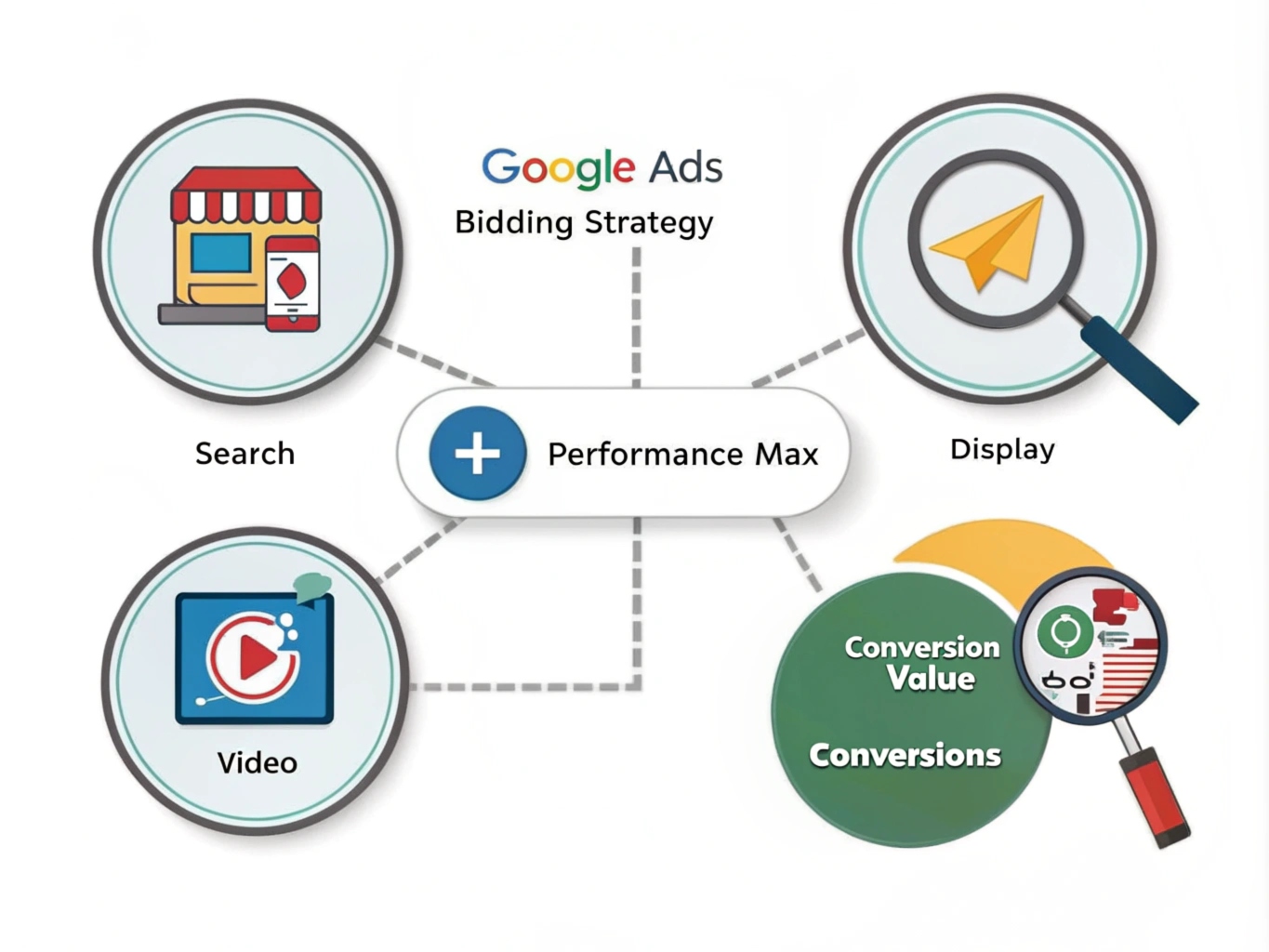
- Performance Max: Utilize this for a comprehensive reach across Google’s platforms, optimizing for conversions.
- Display and Video Campaigns: Consider using conversion-based strategies to enhance engagement and drive meaningful interactions.
Benefits of Using Recommended Strategies
Adopting recommended bidding strategies, such as focusing on conversions, leverages Google’s AI to optimize for the most valuable actions. This approach can lead to improved performance and efficiency, as the system learns and adapts to achieve your desired outcomes.
Explanation of Conversions and Conversion Value
- Conversions: These are specific actions that users take on your site, such as purchases or sign-ups, which are directly linked to your business goals.
- Conversion Value: This metric goes a step further by not only counting conversions but also considering the value of each conversion, allowing for a more nuanced optimization.
Many advertisers still opt for clicks due to historical practices or a lack of trust in Google’s optimization capabilities. However, staying updated with best practices and trusting the system’s ability to optimize for conversions can significantly enhance campaign performance.
Why Clicks Are Not Enough
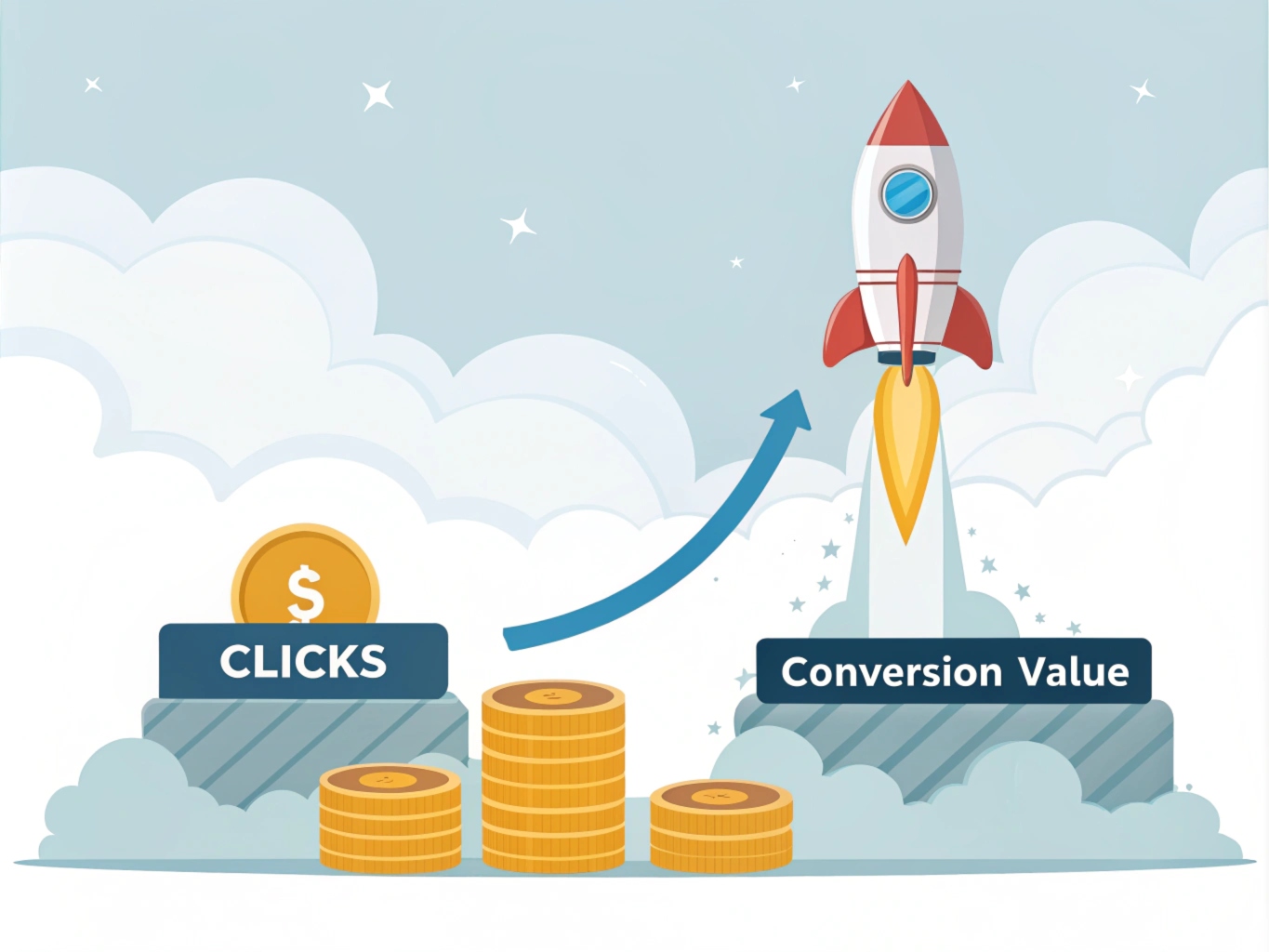
In the evolving landscape of Google Ads, the focus on clicks as a primary metric has become outdated. Historically, advertisers were drawn to the pay-per-click (PPC) model because it allowed them to pay only for user engagement, a significant advantage over traditional advertising methods like print or TV. However, the sophistication of the Google Ads platform has grown, making it capable of optimizing for more meaningful outcomes.
Optimizing for clicks is now rarely the right way to go.
The limitations of optimizing for clicks are becoming increasingly apparent. While it might seem appealing to achieve a higher number of clicks for a lower cost, these clicks often come from less competitive keywords. This is because the cost of a click is determined by an auction system, reflecting the interest of other advertisers. Cheaper clicks are typically associated with keywords that are less likely to convert, as they attract less interest from advertisers.
Moreover, focusing solely on clicks can lead to suboptimal results. Although you may achieve a lower cost per click, the ultimate goal for most advertisers is to maximize return on ad spend (ROAS). This means that optimizing for conversions, such as leads or sales, is far more beneficial. The Google Ads platform is designed to help advertisers achieve these conversion-focused goals when campaigns are set up correctly.

In conclusion, while clicks were once a valuable metric, the modern advertising landscape demands a more nuanced approach. By focusing on conversions and optimizing for the right outcomes, advertisers can achieve better results and a higher return on their investment.
Optimizing for Conversions and Conversion Value
When it comes to Google Ads bidding strategies, optimizing for conversions and conversion value is crucial for maximizing your return on investment. While clicks and impression share might seem appealing, they often do not translate into meaningful business outcomes.
“In an ideal world, you would go with conversion value.”
Importance of Optimizing for Conversions
Focusing on conversions ensures that your ads are driving actions that matter, such as purchases or sign-ups. However, simply optimizing for the number of conversions can be limiting. Google may prioritize lower-value conversions because they are cheaper to obtain, which might not align with your business goals.
Difference Between Conversions and Conversion Value
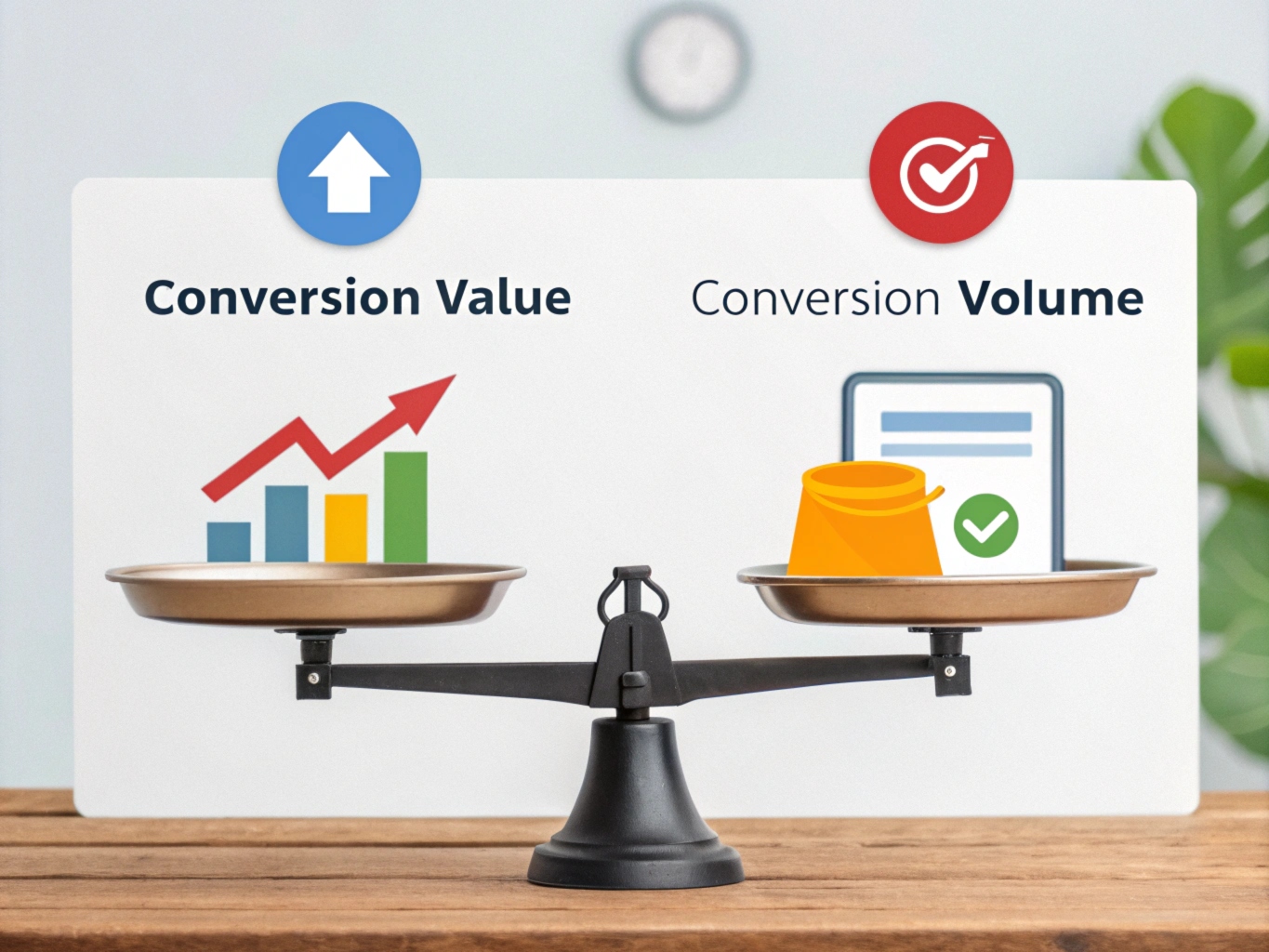
The key distinction lies in the value each conversion brings to your business. While conversion optimization aims to increase the number of conversions, conversion value optimization focuses on the monetary value of each conversion. This approach ensures that Google allocates more resources to higher-value conversions, which are more beneficial for your business.
Examples of Conversion Value in Practice
Consider an e-commerce scenario where customers purchase products ranging from $15 to $200. By optimizing for conversion value, Google will prioritize acquiring the $200 sales over the $15 ones, as they contribute more significantly to your revenue.
By understanding and implementing these strategies, you can ensure that your Google Ads campaigns are not only driving traffic but also delivering substantial value to your business.
Google Ads Mentorship Program
Now with my brand new Google Ads mentorship program, you get unlimited one to one support from us.
The Google Ads Mentorship Program is designed to provide comprehensive support and guidance for businesses looking to optimize their advertising strategies. This program offers unlimited one-on-one support, ensuring that participants receive personalized advice tailored to their specific needs.
Benefits of Joining the Program
Participants in the mentorship program can expect to see significant improvements in their advertising performance. According to recent data, eighty-two percent of participants notice a notable improvement in their return on ad spend within just thirty days of joining. This rapid enhancement is attributed to the expert guidance and strategic insights provided throughout the program.
Success Stories and Testimonials
The mentorship program has been instrumental in transforming the advertising strategies of numerous businesses. Participants have shared success stories highlighting increased conversion rates and improved ad spend efficiency. These testimonials underscore the value of personalized mentorship in navigating the complexities of Google Ads.

Advanced Bidding Strategies and Future Trends
In the ever-evolving landscape of Google Ads, selecting the right bidding strategy is crucial for optimizing campaign performance. Leveraging Google’s AI and optimization systems can significantly enhance your return on ad spend (ROAS). Transitioning from a strategy focused on clicks to one centered on conversion value can more than double your returns, making it a high-leverage move for advertisers.
For those who have systems that don’t track conversions or conversion value, it’s advisable to reengineer sales funnels to enable this tracking. Feeding conversion data back into Google Ads is essential for long-term success, as it allows for proper campaign optimization.
Performance Max, for example, my favorite campaign type, you’re only able to optimize for either conversions or conversions.
Performance Max campaigns exemplify the shift towards conversion-focused strategies, where optimizing for clicks is no longer an option. This trend may become mandatory, requiring advertisers to set up their accounts to track conversions effectively.
When selecting conversion value as a bidding strategy, a checkbox for setting a target ROAS becomes available. While not immediately necessary, setting a target ROAS is a strategic move that should be timed correctly to align with business goals.