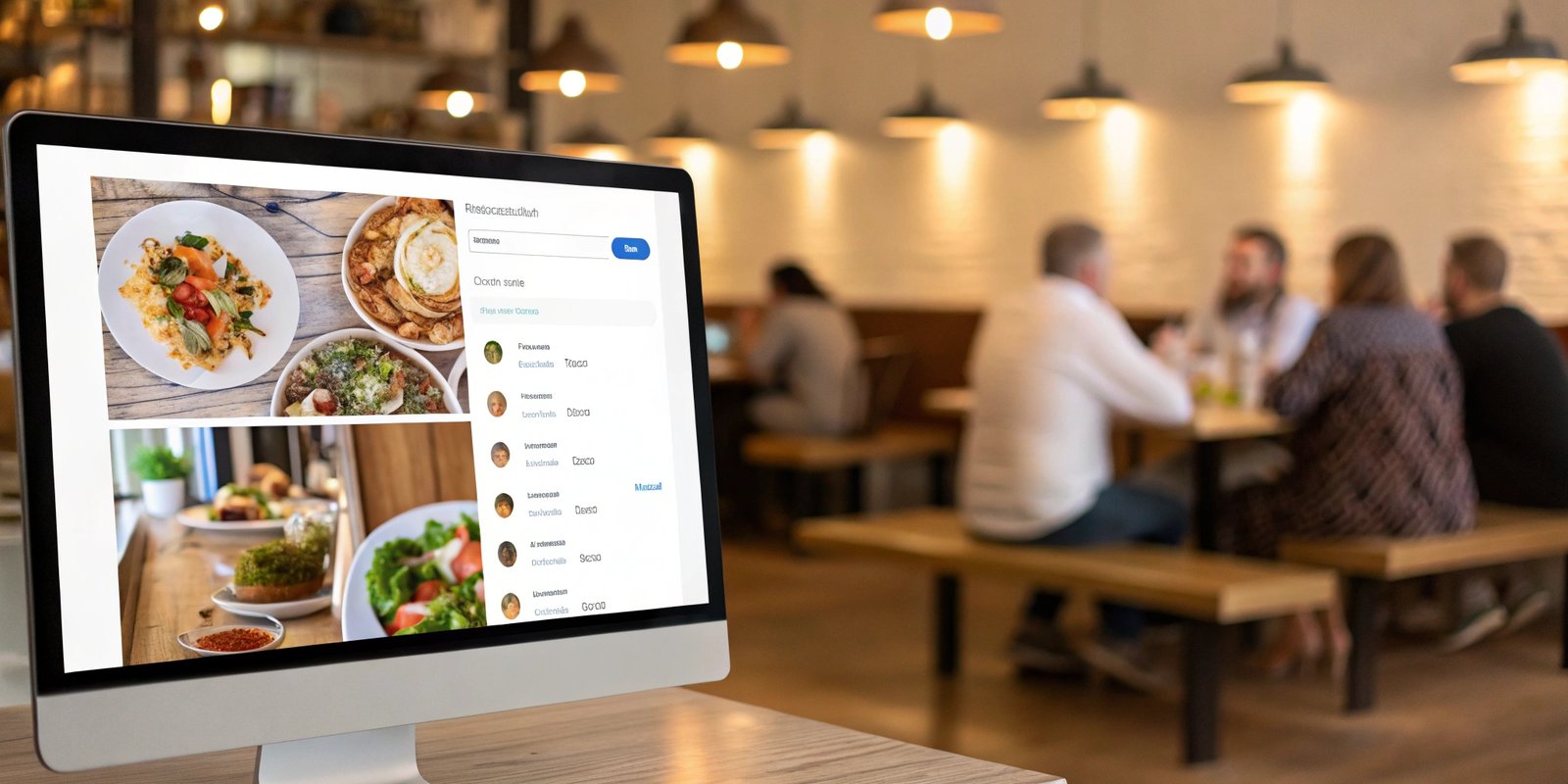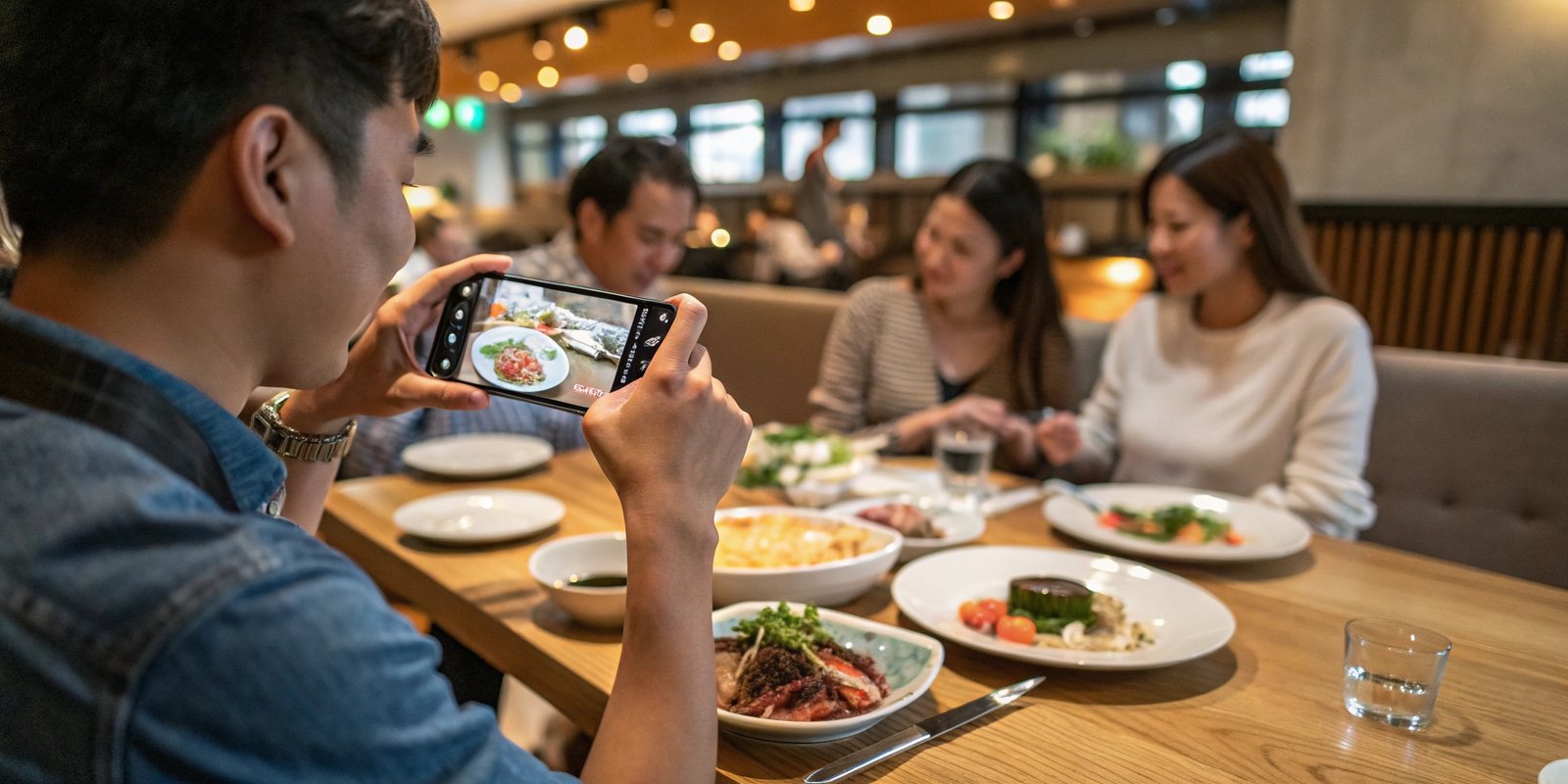
...

Local SEO for Restaurants: Boost Your Visibility and Attract Diners!

Local SEO is essential for restaurants looking to enhance their online presence and attract more customers. As diners increasingly turn to search engines for dining options, optimizing for local search can make a significant impact. 

Effective local SEO strategies ensure that a restaurant appears in relevant searches within its area. 

This article will explore various tactics to boost visibility and engagement, ultimately driving more foot traffic and improving sales.

The Importance of Local SEO for Restaurants

Local SEO for Restaurants Boost Your Visibility and Attract Diners

Local SEO plays a vital role in enhancing the visibility of restaurants within their communities. It allows diners to discover local dining options efficiently and helps establishments connect with potential patrons.

Why Local Search Matters

Local searches are increasingly influential in the restaurant industry, as people often look for nearby dining alternatives. Some key reasons include:

  • High Intent: Most users conducting local searches are ready to make a decision. They often seek places to eat immediately, leading to higher conversion rates.

  • Increased Visibility: Optimizing for local search increases the chances of appearing in essential platforms like Google Maps, making it easier for customers to find and visit the restaurant.

  • Competitive Advantage: Many restaurants may not focus on local SEO, giving those who invest in it an edge over their competition.

Understanding Customer Behavior Online

The way customers search for restaurants has evolved significantly. It’s crucial to recognize the changing dynamics of consumer behavior:

  • Mobile Usage: With the rise of smartphones, most consumers utilize mobile devices for local searches. According to recent data, over 50% of restaurant searches are conducted on mobile devices.

  • Preference for Reviews: Prospective diners often rely on reviews and ratings. A strong online reputation can boost confidence and increase foot traffic.

  • Search Queries: Consumers tend to use specific phrases such as “best pizza near me” or “top-rated sushi in [city].” Understanding these queries allows restaurants to tailor their content accordingly.

By comprehending these aspects of customer behavior, restaurants can better position themselves to meet the needs and expectations of diners in their local areas.

Optimizing Your Google Business Profile

Optimizing Your Google Business Profile

To stand out in local searches, optimizing the Google Business Profile is crucial. This profile acts as a digital brochure that showcases essential details about a restaurant, enhancing visibility and attracting customers.

Essential Information to Include

Completing the Google Business Profile with accurate and detailed information is fundamental. Essential details to contribute include:

  • Business Name: Ensure that the name matches how it appears in the real world to avoid confusion.

  • Address: Include the full address so customers can easily locate the restaurant.

  • Phone Number: Provide a direct number for customers to call, fostering easy communication.

  • Hours of Operation: List hours and special dates, including holidays, to inform customers when to visit.

  • Website URL: Directing customers to the restaurant’s website can enhance engagement and provide more information.

Utilizing Local Keywords in Your Business Description

Incorporating regional keywords into the business description can significantly improve search rankings. 

Phrases that highlight specific cuisines, locations, or unique selling propositions (USPs) enhance relevancy in local searches. 

Describing what makes the restaurant unique helps answer potential diners’ queries and can swing their decision in favor of your establishment.

Encouraging Customer Reviews

Customer reviews not only improve visibility but also build credibility. Encouraging satisfied customers to leave positive reviews can make a significant difference.

How Reviews Affect Local Search Results

Reviews influence local rankings on Google. A higher number of positive reviews can lead to better visibility, as search algorithms favor businesses with strong ratings. 

Potential customers often consider the quantity and quality of reviews when making dining choices, which adds significant weight to this component of the profile.

Tips for Soliciting Reviews

Some effective strategies to gather reviews include:

  • Make it Easy: Provide links or QR codes for customers to leave reviews quickly.

  • Ask at the Right Time: Request reviews immediately after a positive dining experience, such as after the meal is finished.

  • Incentivize Feedback: Offering a small incentive, like a discount on a future visit, can motivate customers to share their experiences.

Building an effective restaurant website is essential for enhancing visibility and providing a great customer experience. A well-designed site can attract visitors and convert them into loyal customers.

Tips for Soliciting Reviews

Building an Effective Restaurant Website

Website Design and User Experience

The design of a restaurant website plays a critical role in user experience. A clean, aesthetically pleasing layout helps engage visitors and retain their attention. Key elements include:

  • Intuitive navigation: Simplifying how users search for information can lead to a better experience.

  • Visual appeal: Using high-quality images of dishes and the restaurant’s interior can entice potential customers.

  • Clear calls-to-action: Prominent buttons for reservations, ordering online, or viewing the menu help guide user interactions.

Incorporating these design principles fosters a welcoming atmosphere that encourages visitors to explore further.

Mobile-Friendly Features

With an increasing number of patrons using mobile devices to search for restaurants, it is essential that websites are optimized for mobile viewing. Key considerations include:

  • Responsive design: A website should automatically adjust its layout based on the user’s device.

  • Fast loading times: Mobile users expect quick access to information, making site speed crucial.

  • Touch-friendly buttons: Ensuring tap targets are large enough enhances usability on smaller screens.

Mobile-friendly features improve user satisfaction, leading to increased traffic and higher conversion rates.

Integrating an Online Menu

Offering a well-structured online menu is vital for potential customers. It helps to showcase what the restaurant has to offer while setting customer expectations. Key strategies for menu integration include:

Menu Management Best Practices
  • Regular updates: Keeping the menu current ensures customers know what to expect when they visit.

  • Clear descriptions: Detailed dish descriptions can help differentiate offerings and entice customers.

  • Highlighting popular items: Featuring best-sellers can steer customer choices effectively.

Highlighting Special Dishes and Offers

Showcasing special dishes or promotions can attract more visitors. Highlight seasonal items or limited-time offers to create urgency. Use engaging visuals and descriptive text to draw attention to these exclusive opportunities.

Keyword Strategy for Restaurants

Developing a solid keyword strategy is essential for restaurants aiming to improve their online presence. By identifying the right keywords and strategically using them, restaurants can enhance search visibility and attract a targeted audience.
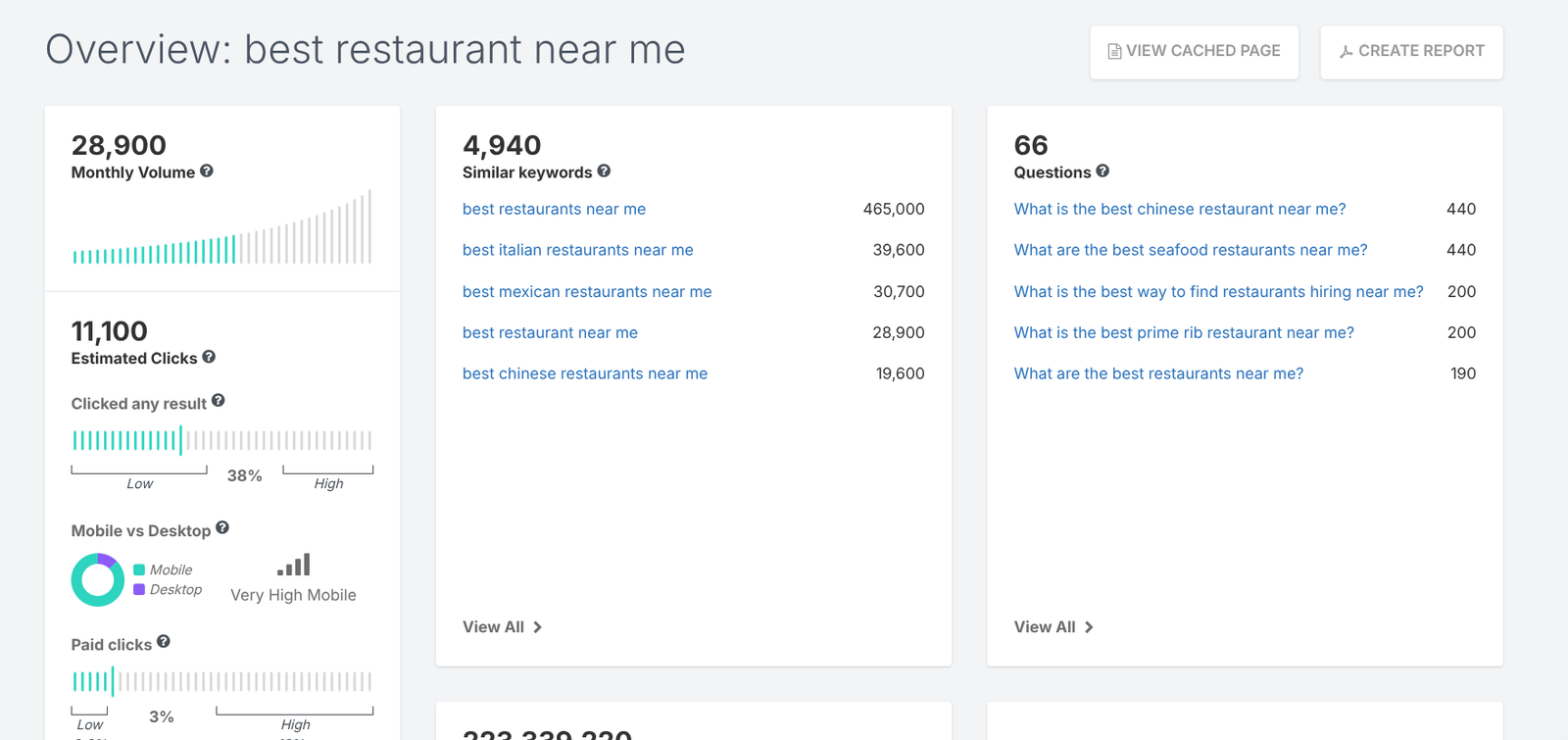
Keyword Strategy for Restaurants

Identifying the Right Keywords for Your Business

Finding the appropriate keywords that resonate with both the cuisine offered and the local area is crucial. Restaurants should consider the following when identifying keywords:

  • Type of cuisine: Keywords should reflect the specific cuisine, such as “Italian restaurant” or “sushi bar”.

  • Geographic location: Incorporating local terms, like “best tacos in Austin” or “Italian dining in Manhattan,” can target local customers more effectively.

  • Unique selling points: Highlight distinct features of the restaurant, such as “organic brunch in Brooklyn” or “family-friendly dining in San Diego.”

Using Keywords Strategically Across Your Site

Once relevant keywords are identified, it is essential to use them strategically throughout the restaurant’s website. This includes:

  • Page titles and meta descriptions: Each page should have unique titles and descriptions incorporating primary keywords to improve click-through rates.

  • Headings and subheadings: Utilize keywords in headings (H1, H2, H3) for better structure and relevance.

  • Body text: Naturally weave keywords into the site content, ensuring it flows and provides valuable information to visitors.

Monitoring Keyword Performance

Regularly tracking keyword performance helps in understanding the effectiveness of your strategy. Key aspects to monitor include:

  • Search rankings: Check where the restaurant ranks for selected keywords and adjust strategies as necessary.

  • Traffic analysis: Assess website traffic to determine which keywords are driving the most visitors and conversions.

  • Competitor analysis: Monitor competitors’ keyword strategies to identify possible gaps or new opportunities.

Managing Online Listings and Directories

Effective management of online listings and directories is vital for enhancing a restaurant’s local visibility. Maintaining consistency across various platforms not only boosts search engine ranking but also ensures potential customers find accurate information about the restaurant.
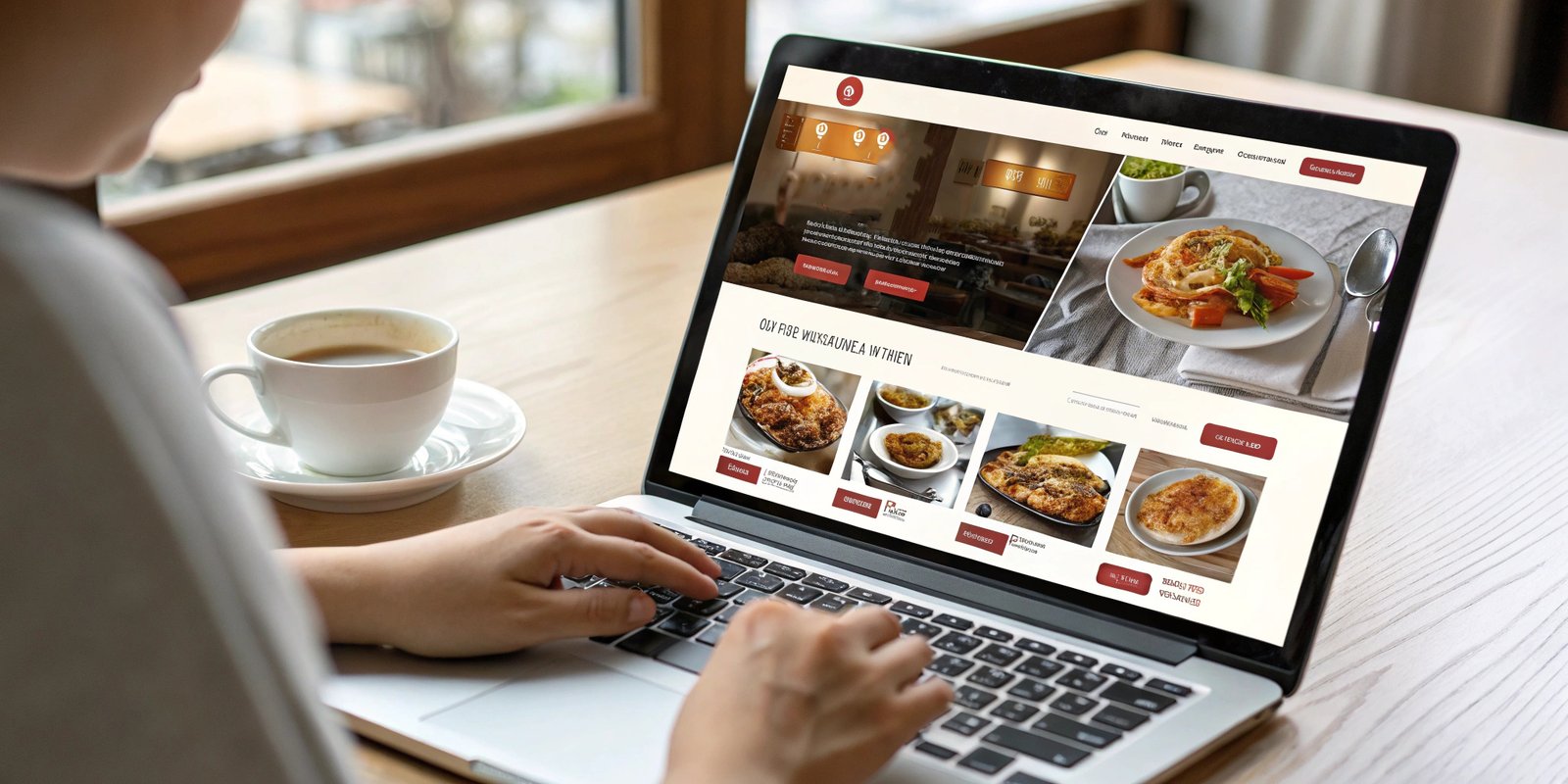
Managing Online Listings and Directories

Consistency Across Platforms

Ensuring that the restaurant’s name, address, and phone number (NAP) are consistent across all online listings is critical. Inconsistencies can lead to confusion among potential customers and can negatively impact local search ranking. Here are key points to consider:

  • Verify that the NAP information matches exactly across various directories.

  • Regularly review and update listings, especially after any changes to location or contact details.

  • Monitor user-generated content that may alter the official business information.

To maintain accuracy, restaurants should periodically conduct audits of their listings. This will help identify discrepancies and rectify any inaccuracies swiftly, thus preserving brand integrity and customer trust.

Tools for Managing Listings

Utilizing specialized tools can simplify the process of managing online listings and ensure a unified presence across platforms. These tools can help in streamlining updates and monitoring performance. Valuable tools include:

  • Listing Management Software: Programs designed to handle multiple listings from a single dashboard, making it easier to update information across all platforms.

  • Reputation Management Tools: These track reviews and ratings across various sites, allowing for timely responses and engagement with customers.

  • Analytics Tools: Use these to gauge performance metrics associated with online listings, helping to refine strategies based on customer interactions.

Adopting these tools can enhance the efficiency of managing listings, allowing restaurant owners to focus more on operations and less on administrative tasks.
Enhancing Customer Experience On Your Website

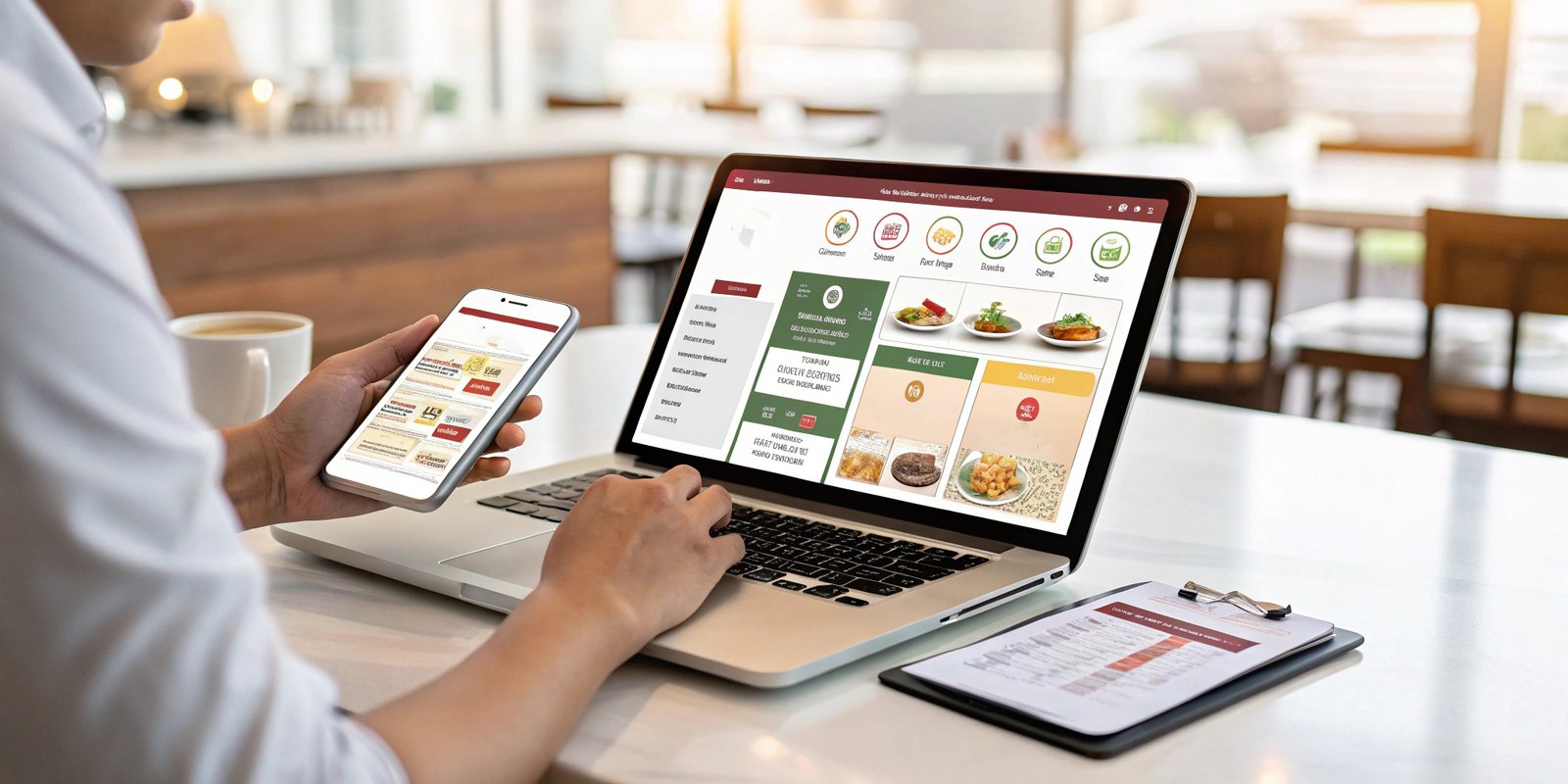
Creating a positive customer experience on a restaurant’s website is essential for retaining visitors and converting them into patrons. From site speed to user-friendly features, every element plays a vital role in encouraging customers to engage and return.

Improving Site Speed and Navigation

Website speed and navigation are crucial factors that impact the overall user experience. A slow-loading website can frustrate users, leading them to leave before exploring the menu or making reservations. Key strategies to improve site speed include:

  • Optimizing images to reduce load times.

  • Minimizing HTTP requests by simplifying design elements.

  • Utilizing browser caching to store frequently accessed data.

  • Choosing a reliable web hosting service known for fast performance.

Alongside speed, intuitive navigation ensures that visitors can explore everything the restaurant offers. Clear menus, logical categories, and a straightforward layout make finding important information seamless.

Implementing Online Ordering Systems

Online ordering systems have transformed how restaurants serve customers. By implementing such systems, restaurants can significantly enhance the dining experience, catering to the growing demand for convenience.

Benefits of Online Ordering for Customers
  • Increased convenience, allowing customers to order from anywhere at any time.

  • A wider selection of menu items readily accessible.

  • Reduced wait times for placing orders, enabling quicker service during peak hours.

Streamlining Order Management

For restaurants, an efficient order management system is essential. It helps in tracking orders, managing inventory, and ensuring timely preparation and delivery. Proper integration of these systems leads to:

  • Minimized errors in order fulfilment that can affect customer satisfaction.

  • Improved communication between the kitchen and front-of-house staff.

  • Better data tracking for inventory and sales, which can inform future menu and service decisions.

Enhancing the customer experience on a restaurant’s website not only attracts new visitors but also builds loyalty and encourages repeat visits.

Creating Engaging Content for Your Audience

Creating Engaging Content for Your Audience

Crafting engaging content is vital for attracting and retaining customers. Well-produced material enhances online visibility and helps to foster a connection with the audience.

Blog Ideas and Content Topics

Blogs can serve as an excellent platform to showcase a restaurant’s personality and offerings. Here are some dynamic topics that can captivate potential diners:

  • Unique recipes that highlight signature dishes.

  • Behind-the-scenes looks at food preparation or sourcing ingredients.

  • Spotlight interviews with chefs or staff to share their stories.

  • Seasonal menu updates and the inspiration behind them.

  • Customer favorites and the stories that accompany them.

Leveraging Customer Testimonials

Testimonials are powerful tools for building credibility and trust. When potential customers see genuine feedback from previous diners, they are more likely to engage. Here are a few effective ways to incorporate testimonials:

  • Feature glowing reviews prominently on the website’s homepage.

  • Create a dedicated testimonials page showcasing varied dining experiences.

  • Utilize social media to share positive feedback and highlight customer stories.

Events and Special Promotions

Hosting events and promotions provides opportunities to draw in crowds and create excitement. Engaging content can promote these happenings. Consider these ideas:

  • Regularly update the website and social media with upcoming event details.

  • Share enticing visuals and videos from past events to create anticipation.

  • Offer exclusive promotions or discounts through engaging posts to increase participation.

Tracking and Analyzing Your SEO Performance

To ensure the success of a restaurant’s local SEO efforts, it is essential to track and analyze performance metrics effectively. This analysis helps identify what’s working, what needs improvement, and how to make data-driven decisions for future strategies.

Tracking and Analyzing Your SEO Performance

Key Metrics to Monitor

Monitoring specific metrics offers valuable insights into the effectiveness of SEO strategies. The following metrics are particularly crucial:

  • Organic Traffic: The number of visitors arriving at the website from search engines, indicating how well the SEO efforts are driving traffic.

  • Keyword Rankings: Positions of targeted keywords in search engine results, helping assess the success of optimization strategies.

  • Click-Through Rate (CTR): The percentage of people who click on the website link after seeing it in search results; a higher CTR signals effective title and description use.

  • Conversion Rate: The percentage of users who take desired actions, such as making reservations or placing orders online, directly linked to the site’s effectiveness.

  • Local Pack Impressions: Visibility in Google’s local pack can significantly influence foot traffic, making it crucial to monitor how often the restaurant appears.

Tools to Help You Track Performance

A variety of tools are available to help track and analyze SEO performance. Utilizing these can streamline the process of gathering data:

  • Google Analytics: Provides comprehensive data on website traffic, user behavior, and conversion tracking.

  • Google Search Console: Offers insights into search performance, indexing issues, and visibility statistics.

  • SEMrush: An all-in-one tool that aids in keyword tracking, competitor analysis, and website performance monitoring.

  • Ahrefs: Ideal for backlink analysis and keyword performance tracking, helping assess overall site health.

Adjusting Strategies Based on Data

Data analysis is not merely about collecting numbers; it’s about interpreting them to refine strategies effectively. By reviewing the tracked metrics regularly, restaurants can:
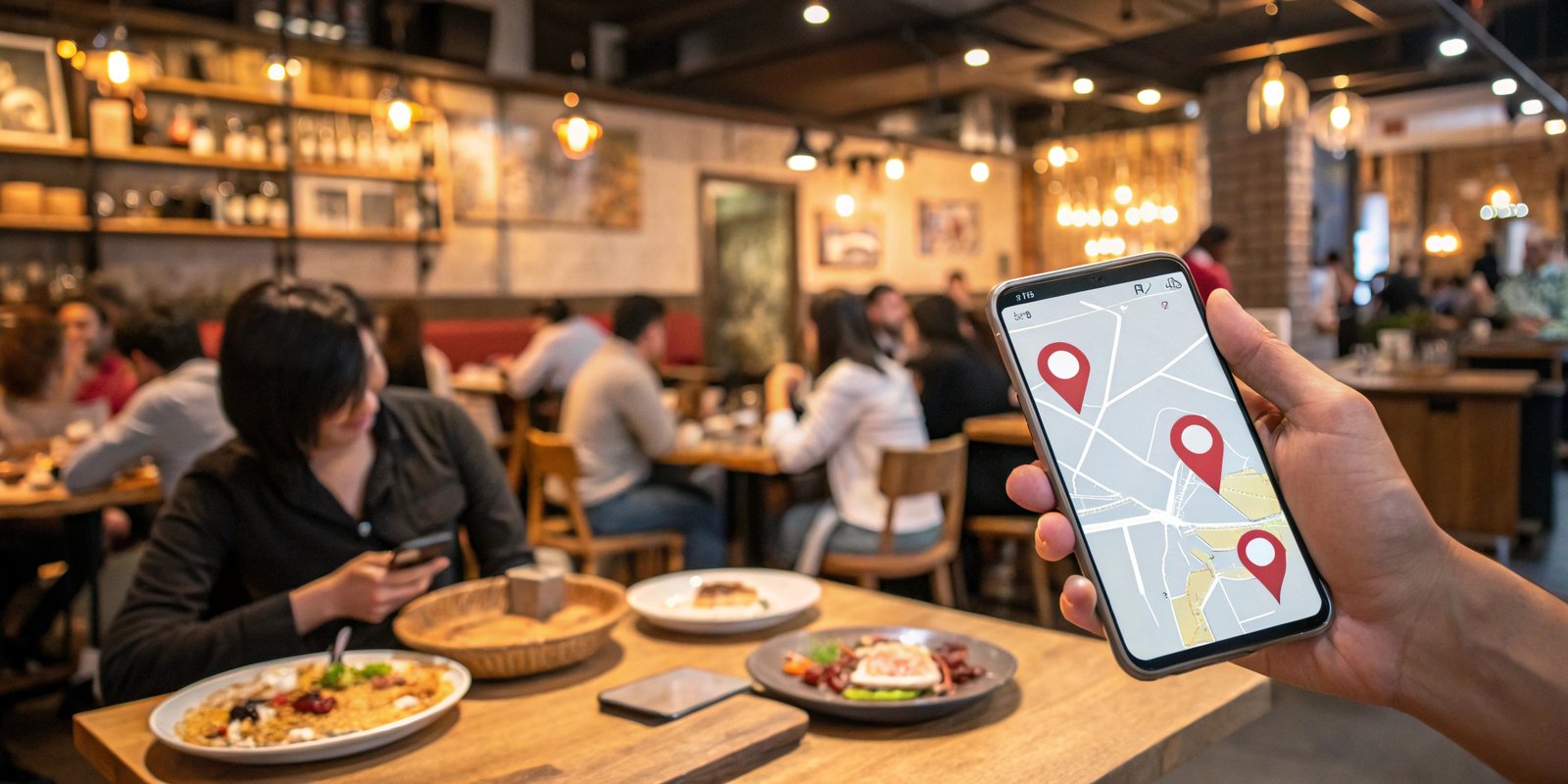
  • Identify high-performing keywords to capitalize on or adjust content to improve low-performing keywords.

  • Assess user behavior to enhance the website experience and improve conversion rates.

  • Implement changes based on trends seen in traffic and engagement, ensuring the restaurant remains competitive in the local search landscape.

Getting More Customers with Local SEO

Getting More Customers with Local SEO 1

To effectively increase the number of customers, implementing tailored local SEO strategies is essential. These methods not only boost visibility but also enhance customer engagement and loyalty.
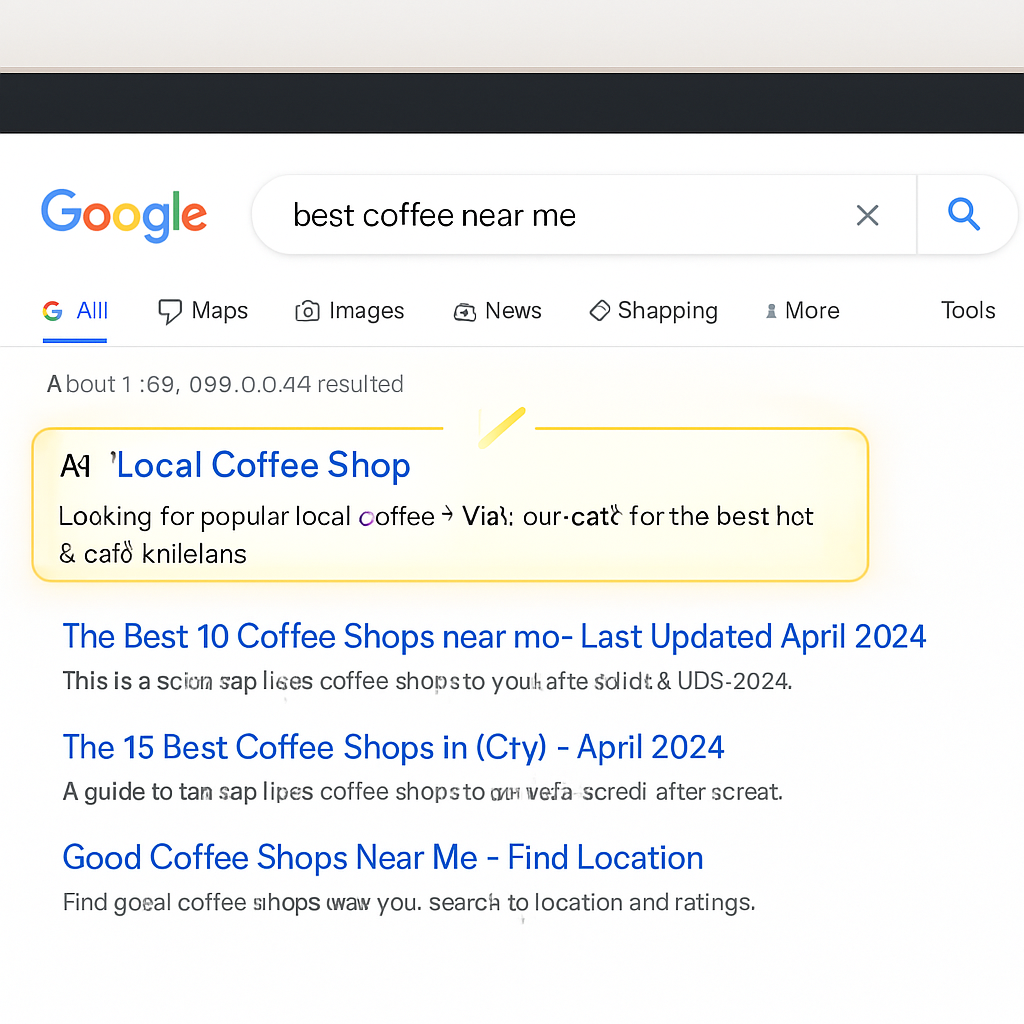
Strategies to Drive More Traffic


Attracting more diners involves a combination of tactics that resonate with local audiences. Some strategies include:

  • Optimizing Google My Business: Ensure the restaurant’s profile is fully updated with accurate information, appealing photos, and active posts to engage users.

  • Utilizing Local Keywords: Incorporate keywords reflecting local dishes, nearby attractions, or community events to capture relevant searches.

  • Community Engagement: Participate in local events, sponsor community activities, and collaborate with nearby businesses to foster relationships and drive traffic.

Encouraging Repeat Visits

Retaining customers is just as crucial as attracting new ones. Here are effective methods to encourage return visits:

  • Loyalty Programs: Implementing a simple points-based loyalty system incentivizes customers to return for rewards.

  • Personalized Experiences: Tailor the dining experience with personalized promotions or recommendations based on their previous visits.

  • Email Marketing: Regularly send updates about new menu items, upcoming events, or exclusive discounts to previous patrons.

Creating a Rewards Program

A successful rewards program can significantly enhance customer retention. To create an effective system:

  • Define Clear Benefits: Provide tangible rewards, such as discounts or free items, that are easy for customers to understand and appreciate.

  • Promote the Program: Actively inform customers about the rewards program through in-store signage and digital channels.

  • Measure Effectiveness: Track participation and engagement levels to continuously improve the program based on customer feedback and behavior.

Engaging with experienced professionals can elevate a restaurant’s online presence. Utilizing their expertise allows restaurants to harness effective SEO strategies tailored to their unique needs.

Consulting with Professionals

Benefits of Professional SEO Services

Professional SEO services offer significant advantages for restaurants aiming to enhance their online visibility. These benefits include:

  • Expertise in Industry Trends: Professionals stay updated on the latest trends and algorithms, ensuring that restaurants benefit from the most current optimization techniques.

  • Strategic Approaches: SEO experts develop customized strategies tailored to each restaurant’s specific market, location, and target audience, maximizing effectiveness.

  • Time Efficiency: Outsourcing SEO allows restaurant owners to focus on their core operations while experts handle the complexities of online marketing.

  • Measurable Results: Professionals utilize analytics tools to track progress, providing insights into what strategies yield the best results.

VIP Tech Consulting: Boost Your Restaurant’s Visibility

VIP Tech Consulting specializes in local SEO strategies specifically designed for restaurants. With a proven track record, their approach prioritizes enhancing visibility on Google Maps and local search results.

They offer various services, including:

  • Google Business Profile Optimization: Ensuring restaurant listings are fully optimized to attract more local customers.

  • Keyword Research: Identifying the most effective local keywords to improve search ranking.

  • Review Management: Implementing strategies to generate positive reviews and effectively address any feedback.

  • Website Enhancements: Assisting restaurants in creating user-friendly, visually appealing websites that convert visitors into customers.

The combination of specialized knowledge and tailored strategies positions restaurants for increased foot traffic and improved customer engagement. Transitioning to professional assistance can yield significant returns in visibility and profitability.

Seraphinite AcceleratorOptimized by Seraphinite Accelerator
Turns on site high speed to be attractive for people and search engines.